Soursop Leaf
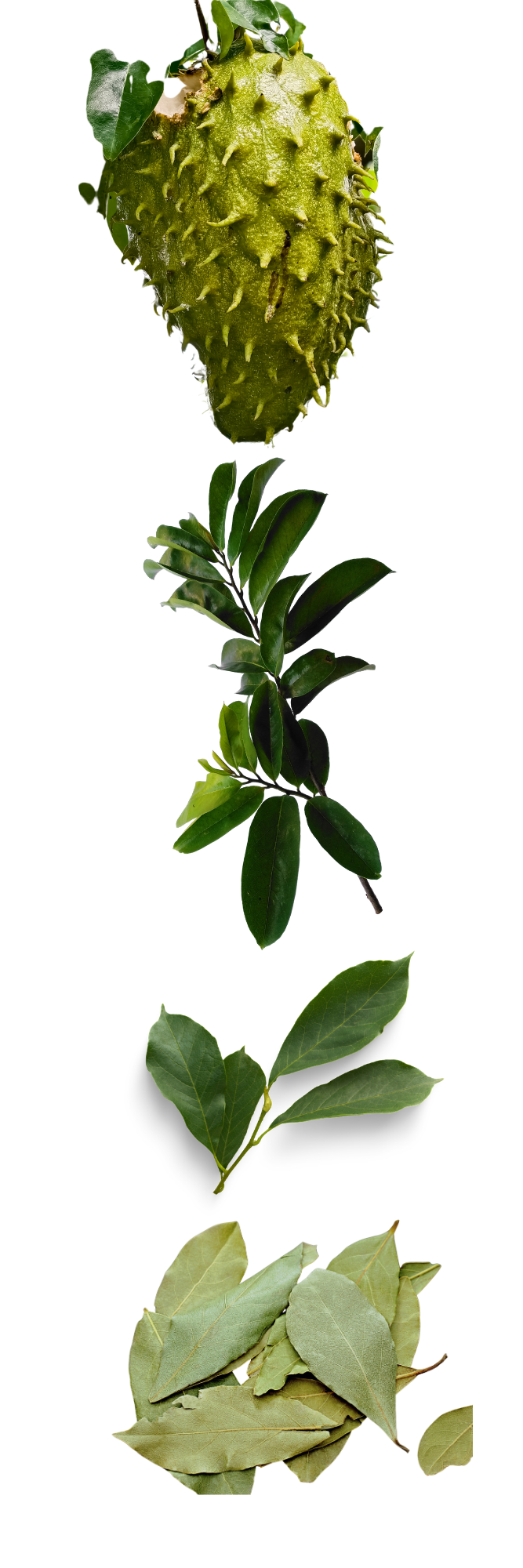
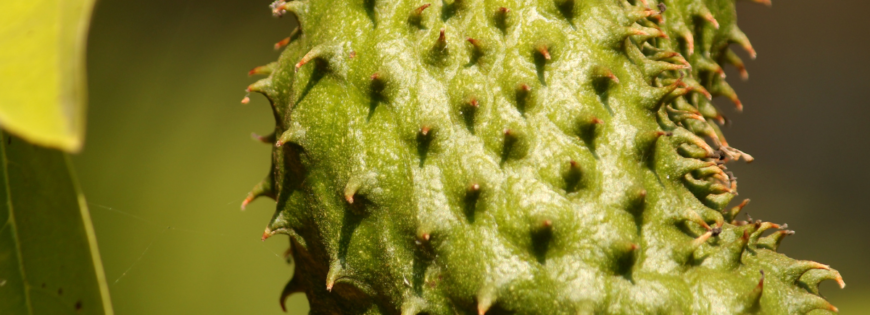
Soursop leaves come from the Soursop tree, also known as graviola or guanábana. They have a long history of use in traditional medicine in the Caribbean, Central and South America, Africa, and Southeast Asia. While laboratory studies have identified potentially active compounds, there is limited high-quality evidence in humans to support many of the health claims.
Here’s what research suggests:
- Rich in antioxidants: Soursop leaves contain compounds such as flavonoids and phenolic compounds that may help reduce oxidative stress.
- May have anti-inflammatory properties: Laboratory and animal studies suggest leaf extracts can reduce markers of inflammation, but more human research is needed.
- May have antimicrobial activity: Some studies show soursop leaf extracts can inhibit certain bacteria, fungi, and parasites in laboratory settings.
- Blood sugar research: Animal studies suggest soursop leaves may help lower blood sugar levels, but there is not enough evidence to recommend them for treating diabetes.
- Blood pressure: Some early research suggests the leaves may have compounds that relax blood vessels, but human evidence is limited.
- Cancer claims: Soursop leaves are often promoted online as a cancer cure. While certain compounds (called acetogenins) have killed cancer cells in laboratory experiments, there is no reliable clinical evidence that drinking soursop leaf tea or taking soursop supplements treats or cures cancer in people. They should not be used as a substitute for proven cancer treatments.
Caribbean Uses:
- Brewed into herbal tea.
- Used in traditional remedies for colds, sleep, or general wellness.
- Made into extracts or supplements (which can contain much higher concentrations than tea).