
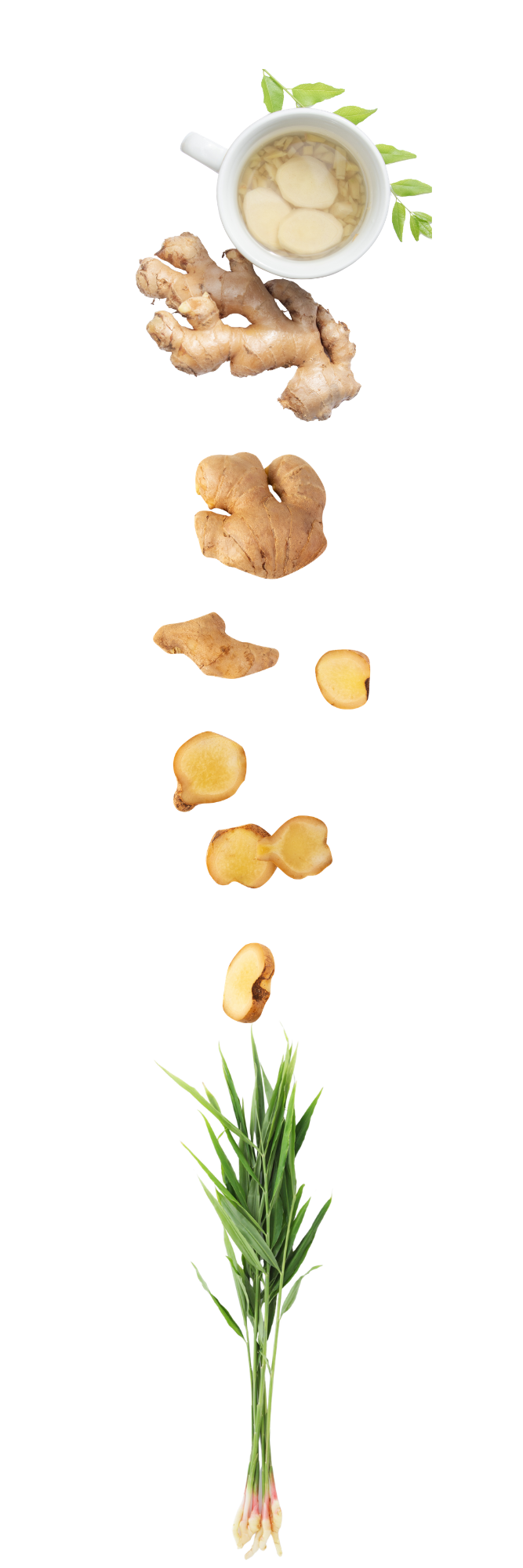
White Ginger
History of Ginger
White ginger, commonly called white ginger lily, is native to the Himalayan region of India, Nepal, and Bhutan. Its scientific name is Hedychium coronarium. It was introduced to the Caribbean during the colonial period, most likely between the 18th and 19th centuries, as an ornamental plant because of its fragrant white flowers.
In the Caribbean, white ginger became popular for several reasons:
Ornamental value: It was planted in gardens around estates, churches, and homes for its striking blooms and sweet fragrance.
Naturalization: Over time, it escaped cultivation and spread into wetlands, riverbanks, and moist forests across many islands and mainland Caribbean countries, including Jamaica, Trinidad and Tobago, Cuba, Puerto Rico, Dominica, and Belize.
Cultural significance: The flowers are often used in floral arrangements, weddings, religious ceremonies, and traditional celebrations because they symbolize purity, beauty, and peace.
Traditional medicine: In some Caribbean communities, parts of the plant have been used in folk medicine for treating headaches, inflammation, skin conditions, and minor respiratory ailments, although scientific evidence for many of these uses remains limited.
Despite its beauty, white ginger has become invasive in some parts of the Caribbean. It spreads through underground rhizomes, forming dense stands that can crowd out native plants, especially in wet habitats. Because of this, environmental agencies in some Caribbean territories encourage controlling its spread in sensitive ecosystems.
Today, white ginger remains one of the Caribbean’s most recognizable fragrant garden plants. Although it is not native to the region, it has been part of Caribbean landscapes and traditions for well over a century and is often considered a naturalized component of tropical gardens.
Health Benefits of Ginger
Reduce inflammation: The rhizomes and leaves contain natural compounds that have shown anti-inflammatory effects in laboratory studies.
Antioxidant properties: Extracts from the plant contain antioxidants, which help protect cells from damage caused by free radicals.
Antimicrobial activity: Some research suggests extracts may inhibit the growth of certain bacteria and fungi in laboratory settings.
Traditional pain relief: In folk medicine, poultices made from the rhizome or leaves have been applied to relieve sore muscles, joint pain, and headaches.
Respiratory support: Some traditional practices use teas or decoctions to help with coughs, colds, and congestion, although there is limited clinical evidence for these uses.
Skin care: Crushed leaves or rhizomes have been used traditionally on minor cuts, insect bites, and skin irritations.
Nutritional value
Unlike culinary ginger (Zingiber officinale), white ginger is not commonly eaten and is not considered a significant source of nutrients. Most interest in the plant comes from its naturally occurring plant compounds rather than its nutritional content.